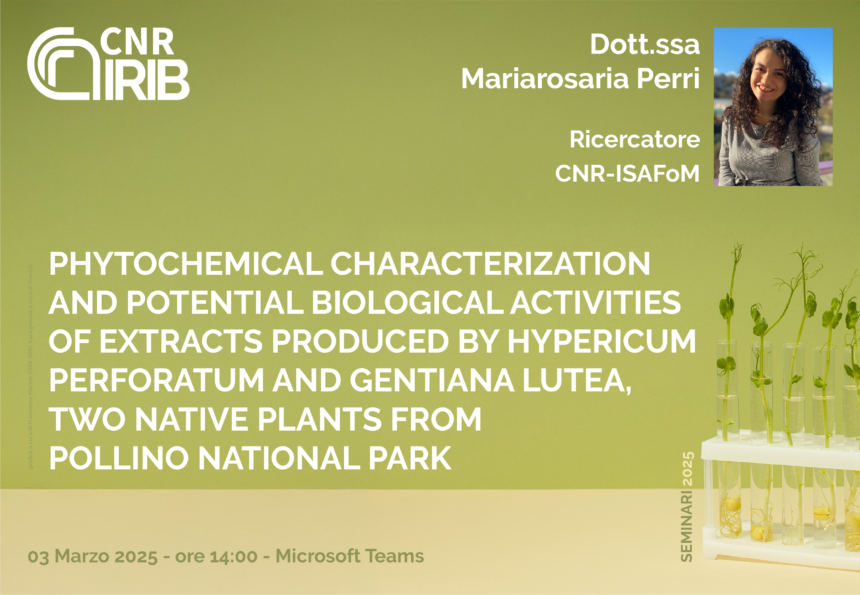
Blog

Open post

Seminario: Dott. Salvatore Maria Anzalone. 9 GIUGNO 2021

Dott. Salvatore Maria Anzalone

Laboratoire CHArt – Université Paris 8
Saint-Denis – France


Seminario: “Agenti sociali artificiali e disturbi del neurosviluppo”.

09/06/2021 alle 14.30 su TEAMS

Abstract: 

Gli agenti sociali artificiali, come gli agenti virtuali ed i robot sociali, estendono le capacità tipiche di percezione, decisione ed azione degli agenti intelligenti attraverso l’impiego di modelli espliciti della presenza umana. Nell’ultima decina d’anni, diversi agenti sociali artificiali sono stati impiegati come supporto diagnostico e terapeutico nei disturbi del neurosviluppo (NDD, “neurodevelopmental disorders”), condizioni spesso caratterizzate da competenze sociali compromesse. In questa presentazione mostrerò come sia possibile stimolare alcune capacità socio-cognitive di base quali l’imitazione, l’attenzione congiunta e la presa di prospettiva, tramite agenti sociali artificiali utili ad evidenziare comportamenti alterati. Inoltre, presenterò anche il loro impiego come strumento di assistenza continua, intensiva e a lungo termine, concentrandomi in particolare sulla scuola, ambiente nel quale questi agenti sociali possono essere utilizzati per personalizzare strategie di insegnamento e terapie sui bisogni specifici dei bambini.

INFO : seminari.irib@irib.cnr.it

Open post

Seminario: Dott.ssa Barbara Angelini 26Maggio 2021

Dott.ssa Barbara Angelini

Unità Valorizzazione della ricerca – CNR

Seminario: “La Valorizzazione dei Risultati della Ricerca del CNR: il modello PROMO-TT Instrument“.

26/05/2021 alle 14.00 su TEAMS

Abstract: 

Obiettivo del seminario sarà illustrare ai partecipanti le modalità di promozione e di valorizzazione dei risultati di ricerca del CNR con particolare focus sul Progetto PROMO-TT Instrument. Verranno illustrate la mission, le macro attività, i vantaggi; le opportunità per i ricercatori CNR offerte da PROMO-TT; i primi risultati ottenuti e le prossime attività previste.

INFO : seminari.irib@irib.cnr.it
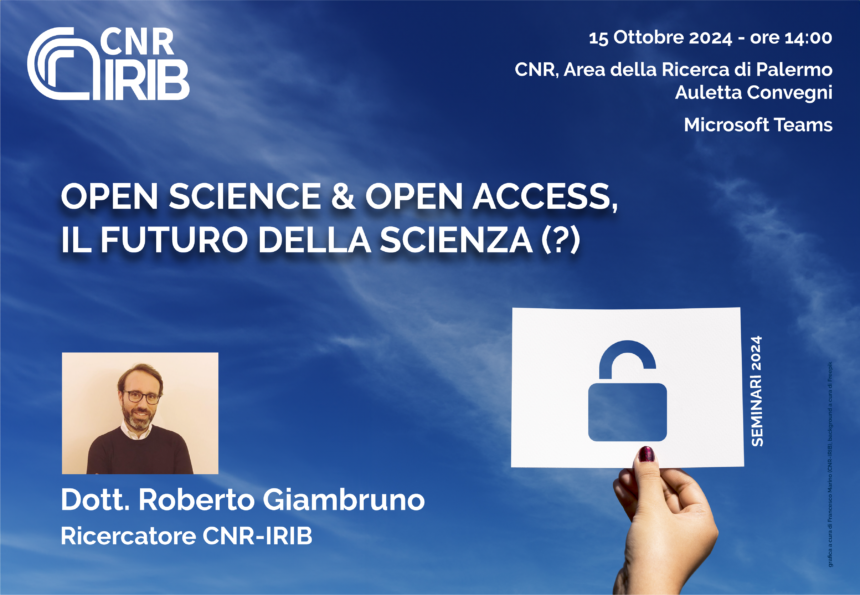
Open post

Seminario: Dr. Fabrizio Chiodo 05 Maggio 2021

Dr. Fabrizio Chiodo

Research Assistant Professor at the Italian National Research Council (CNR), Senior Researcher at Amsterdam Infection and Immunity Institute, Invited Lecturer at Havana University

Seminario: “Carbohydrate-Mediated “Innate” Considerations in Designing Vaccine-Candidates”.

05/05/2021 alle 14.00 su TEAMS

Abstract: 

Carbohydrates play key immunological roles at the host-pathogens interface, and these interactions are extremely important while designing vaccine-candidates against infectious diseases. The traditional mechanism of action of conjugate-vaccines considers the peptides generated from the immunogenic carrier proteins (toxoids etc) to be responsible of T-cells activation, B-cells maturation and antibodies production.
However, in conjugate-vaccines, the carbohydrates could play a two-faced role: they are the antigens able to elicit specific anti-carbohydrate immune responses, and at the same time they could work as an immune- potentiator to enhance the immune responses to themselves. We demonstrated the active involvement of some S. pneumoniae polysaccharides in determining a series of in vitro innate immune responses in human.
Peripheral blood mononuclear cells were stimulated with approved and in clinical use S. pneumoniae carbohydrate-based vaccine coupled to the carrier tetanus toxoid and different read-out have been measured.
In addition, we also recently applied a rational “glyco-approach” to design different SARS-CoV-2 vaccine- candidates now in clinical trial.
In conclusion, our results aim at considering carbohydrate-mediated “innate” interactions while designing vaccine-candidates against infectious diseases.

INFO : seminari.irib@irib.cnr.it
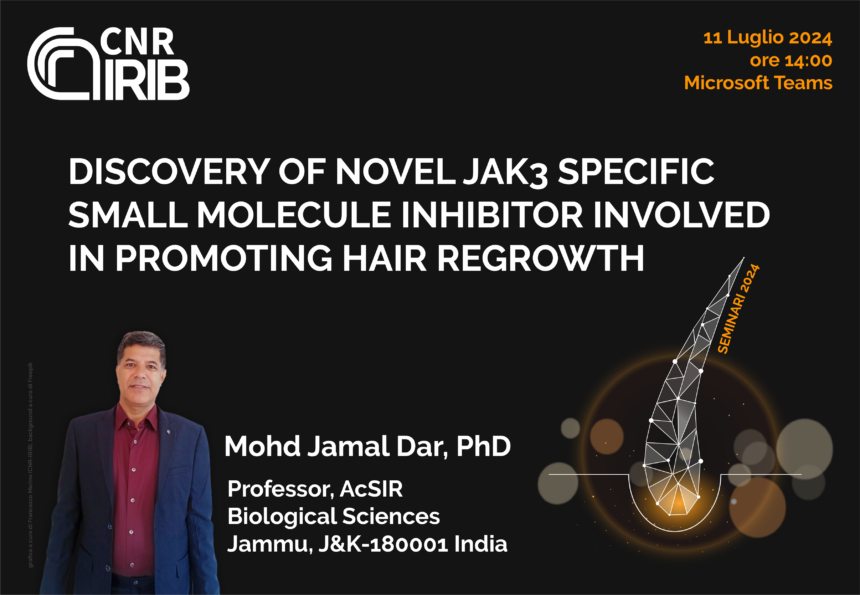
Open post

Seminario: Dr.Maurizio De Pittà. 30 Aprile 2021

Dr.Maurizio De Pittà

Basque Center for Applied Mathematics, Bilbao, Spain

Seminario: “Computational Glioscience: Computational Methods and Modeling of Astrocyte Physiology and Neuron-Glia Interactions for Biomedical Applications”.

30/04/2021 alle 16.30 su TEAMS

Abstract: 

The interactions of neurons with non-neuronal cells, dubbed “glia,” are coming under the spotlight of modern Neuroscience for its implications in the brain’s information processing. Astrocytes are prominent glial cells of the brain and are involved in practically any aspect of the brain pathophysiology at multiple scales of interactions – from subcellular and synaptic levels to network circuits and cognitive structures. In this framework, I present several approaches carried out at my group to characterize neuron-glial interactions in fundamental and translational topics of brain function, from memory formation to neurodegeneration in age-related cognitive decline. The exploitation of manifold reduction, bifurcation theory, and mean-field analysis of interacting cellular networks reveal nested pathways for bistability that uniquely emerge by glial signaling, providing novel insight for future therapeutic interventions.


INFO : seminari.irib@irib.cnr.it
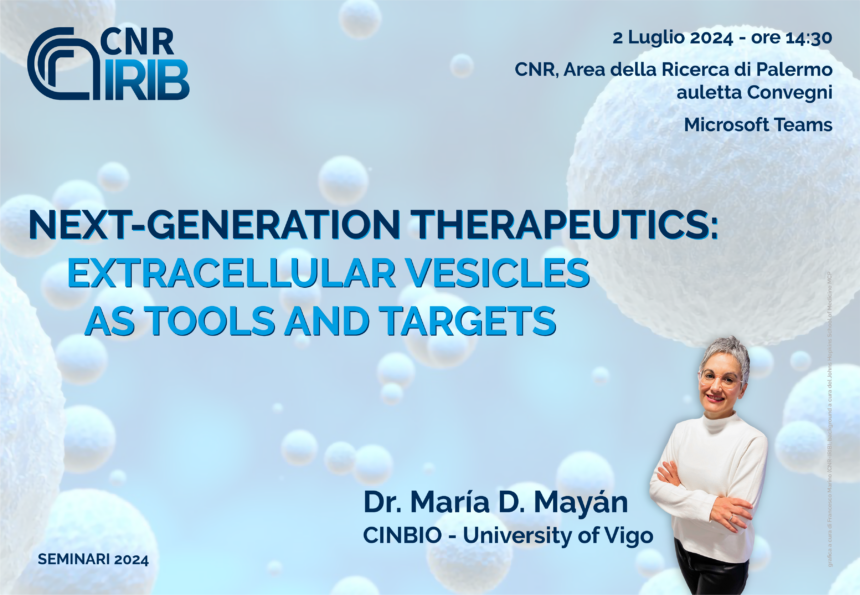
Open post

Seminario Dr Roberto Gramignoli. 23 Marzo 2021

Dr Roberto Gramignoli

MS, PhD; Senior Researcher @ Karolinska Institutet, Stockholm, Sweden.

Seminario: “Liver Cell-based Therapies: from Hepatocyte Transplant to
Perinatal Stem Cell Infusions, with no need of immunosuppression in
support “.

23/03/2021 alle 14.00 su TEAMS

Abstract: 

Cell transplantation and genetic therapies are promising approaches for the treatment of liver diseases. Our laboratory has always been pioneering in the translation of hepatocyte transplant technology from bench to clinic. But the limited availability of cells in addition to the immunosuppressant regiment required to sustain long-term engraftment have been encouraging the use of alternative cell sources. The use of genetic approaches or reprogrammed cells in clinical programs is delayed by their genetic and epigenetic instabilities, limited hepatic maturation, with a further negative caveat represented by the chronic inflammatory milieu, which could favor oncogenic transformation of transplanted cells. Perinatal stem cells, and particularly the amnion-derived epithelial (AE) cells, may represent an ideal alternative, where unlimited source of multipotent, anti-inflammatory stem cells can be infused without immunosuppression.

We were the first to report stem cell nature and safety in using AE cells. Encouraged by the expression of genes that could correct human metabolic liver diseases and the lack of tumorigenicity, we tested the hypothesis that AE transplants could correct human metabolic liver diseases. We corrected amino acid and neurotransmitter imbalances in relevant animal models of human rare diseases. Additional studies describe AE therapy suppressing inflammation and restoring normal architecture.

In immune-competent animals and patients, AE engrafted and survived without administration of immunosuppressive drugs. We conducted studies on AE interactions with immune cells, identifying different cellular pathways playing key roles in modulation, without impairing immune response.

In conclusions, the ability to treat the most common (liver) diseases with one stem cell therapy without the administration of immunosuppressive drugs could be a “game-changer” and will greatly expand the number of patients who could benefit from cellular therapies. Based on AE safety and successful preclinical transplants, approval was granted to begin banking AE cells under cGMP condition at Karolinska Institutet, and to perform AE transplants on 10 patients with liver disease.


INFO : seminari.irib@irib.cnr.it
Open post

Seminario Dr Antonio Cerasa. 09 Marzo 2021

Dr Antonio Cerasa

PhD. 1° Ricercatore Resp. IRIB-CNR Cosenza.

Seminario: “Neuroscienze Traslazionali “.

09/03/2021 alle 14.00 su TEAMS

Abstract: 

“Lo scopo di questo seminario è presentare una nuova figura che sta emergendo nel panorama delle neuroscienze. Uno dei più grandi limiti di questa affascinante branca è la sua difficoltà nel produrre ricadute applicative in ambito clinico e pratico. Il Neuroscienziato Traslazionale nasce proprio per aiutare chi si occupa di ricerca di base nel tradurre le sue scoperte in applicazioni utili non solo al medico per la sua attività clinica, ma anche a singole categorie sociali che possono giovare delle scoperte scientifiche. Ma questa rivoluzionaria visione delle neuroscienze necessita di un cambiamento percettivo, un modello tridimensionale con cui osservare le scoperte scientifiche”.


INFO : seminari.irib@irib.cnr.it
Open post

Seminario Dr Paola Bonfanti. 23 Febbraio 2021

Dr Paola Bonfanti

Group Leader, the Francis Crick Institute, London, UK

Seminario: “Reconstitution of a functional human thymus by
progenitor cells and natural whole-organ scaffolds “.

23/02/2021 alle 15.00 su TEAMS

Abstract: 

“Alterations of thymus development or function result in severe immunodeficiency and autoimmunity. We report the complete reconstruction of a functional human thymus via a multipartite approach. After extensive expansion in culture, thymic stromal cells, identified as clonogenic progenitors, are used to repopulate decellularised thymic scaffolds obtained by a novel method of whole organ perfusion. The combined cells and scaffold are able to mature in vitro and in vivo into an anatomic phenocopy of the native organ that support the functional maturation of haematopoietic progenitors into CD4- and CD8-expressing thymocytes when transplanted into humanized immunodeficient mice. This anatomical and functional reconstruction of the human thymus offers a unique, practical approach to treating congenital and acquired diseases.”


INFO : seminari.irib@irib.cnr.it
Open post

Seminario Prof. Giulio Cossu. 12/01/2021

Prof Giulio Cossu

Division of Cell Matrix Biology & Regenerative Medicine, University of Manchester, UK

Seminario: “Cell-mediated exon skipping for the therapy of Muscular Dystrophy

12/01/2021 alle 15.00 su TEAMS

Abstract: 

Many novel approaches have entered clinical experimentation for Duchenne Muscular Dystrophy but none has reached significant clinical efficacy.  We completed a “first in man” cell therapy trial for DMD, based upon intra-arterial delivery of HLA-matched donor Mesoangioblasts (Mabs) (Cossu et al. EMBO Mol Med 2015). Mabs are progenitor cells originating from pericytes of skeletal muscle (Dellavalle et al. Nat. Cell Biol. 2007).  They have the ability of adhering to and crossing the vessel wall when delivered intra-arterially. This was the innovative aspect of this trial, preceded by positive results in murine and canine models of muscular dystrophy (Sampaolesi et al. Science 2003, Sampaolesi et al. Nature 2006). The trial showed safety but modest efficacy, probably due to the advanced age of patients and to low engraftment, typical of all tissues where ablation of diseased cells is impossible (Cossu et al. Lancet 2018).

To reach clinical efficacy we are now developing a three arms strategy, implementing each step of transplantation, performing a detailed pharmacodynamics and developing a cross-correction strategy that should compensate the unavoidable low engraftment (0.7% in best case observed in the first trial) of transplanted cells in patients’ muscles.

Autologous mesoangioblasts were corrected with a lentivector expressing the U7 snRNA engineered to skip exon 51 of the dystrophin gene: the snRNA, produced by the few corrected nuclei, also enter neighboring, dystrophic nuclei and amplify of more than a log the therapeutic effect.

Thus, for the first time, we observed a level of dystrophin of 30% of healthy muscle, presumed to be curative, both in vitro (by culturing corrected and non corrected cells at a 1:30 ratio) and in preliminary experiments in vivo. The same strategy is being tested in a second trial, funded by the Wellcome Trust. This will be a proof of principle study, testing safety of genetically corrected autologous mesoangioblasts following intramuscular injection in a foot muscle of 5 non-ambulant DMD patients. In case of dystrophin production ≥ 10% of a healthy muscle, cells will also be injected in the thumb muscle, whose increased force of contraction would ameliorate the quality of patients’ life.  If the trial will confirm the experimental data, we will then proceed to a third trial based upon systemic intra-arterial delivery of genetically corrected mesoangioblasts in young patients with an optimized protocol and intent to cure.

Cossu G1, Bragg L1, Meggiolaro L1, Naz N1, Torrente Y2, I. Bozzoni3, Mouly V4 and Galli F1.
1Division of Cell Matrix Biology & Regenerative Medicine, University of Manchester, UK
2Stem Cell Laboratory, Fondazione IRCCS Ca’ Granda Ospedale Maggiore Policlinico, Italy
3Department of Biology and Biotechnology, Sapienza University of Rome, Italy
4INSERM, CNRS, Institut de Myologie, GH Pitié-Salpêtrière, Paris, France

INFO : seminari.irib@irib.cnr.it

Open post

Seminario Dr Elena Lo Presti. 17.12.2020

Dr Elena Lo Presti, IRIB CNR Palermo.

Seminario : “Exploring gd T cells and their distinctive features
for a promising cancer therapy”

17/12/2020 alle 14:30 su TEAMS

Abstract:
Amongst tumor-infiltrating lymphocytes in humans there is a subpopulation of T cells unconventional called gd T cells that participate in tumor immune surveillance. gd T lymphocytes are typically CD4-CD8- double negative (DN) and based on the Vd chain used to make their T cell receptor (TCR) are classified in Vd1, Vd2 and Vd3 T cells with predominant localization in different districts of the body.

To date, their clinical relevance is unclear because the relative frequencies of tumor – infiltrating gd T cells correlate with tumor remission or progression, or do not correlate at all with prognosis. Indeed, many studies suggest that gd T cells may play different effector or regulatory functions in dependence on tumor microenvironment.
Considering the features of this population and the increasing interest to exploit them in tumor immunotherapy, there is urgent need to fully understand the biological functions of gd T cells and of how they can be manipulated in vivo and ex vivo to safely provide benefit to the patients.
This talk will focus on previous and ongoing studies of tumor-infiltrating gd T lymphocytes in different types of human cancer and their application in the current immunotherapeutic strategies.

INFO : seminari.irib@irib.cnr.it

Posts navigation

1 2 3 15 16 17 18 19 20 21 22 23
Scroll to top